Water, water, everywhere, nor any drop to drink
The Rime of the Ancient Mariner“Water, water, everywhere, / Nor any drop to drink” is the poem’s defining expression of deprivation amid apparent abundance. Spoken as the ship lies becalmed, it turns the sea surrounding the crew into an image of need: water fills the view, yet none can quench their thirst.
The Expression in Context
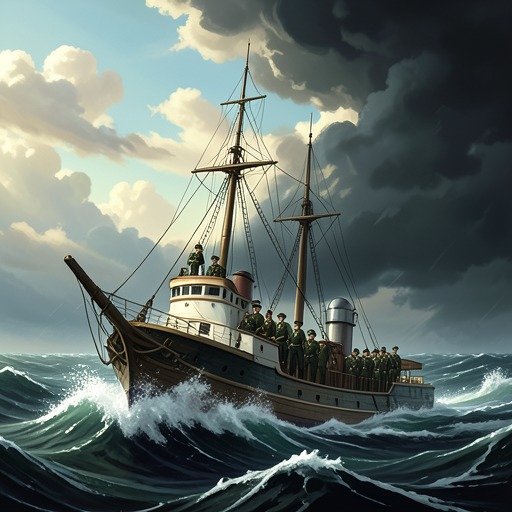
The expression occurs during the ship’s motionless ordeal. The vessel is “As idle as a painted ship / Upon a painted ocean,” an image that strips the scene of movement and makes the sea seem like a surface rather than a route forward. The repeated word “Water” emphasizes the crew’s surroundings, while the denial that follows establishes what those surroundings cannot provide.
The surrounding details make the deprivation bodily as well as paradoxical. The boards shrink, and the lines conclude that there is no drop to drink. The sea’s visible abundance offers no relief; instead, the contrast turns the landscape into a measure of the crew’s helplessness.
Repetition and Paradox
The expression is built from recurrence and reversal. “Water, water” insists on what is everywhere, only for “Nor any drop to drink” to negate the promise that abundance seems to make. The two halves remain bound together: the water’s presence is precisely what makes the absence of drinkable water so stark.
That compact structure gives the line its force beyond the immediate scene. It preserves the becalmed ship’s contradiction in a form that can be repeated and remembered, making thirst legible through a simple opposition between what surrounds the crew and what they lack.
Narrative and Significance
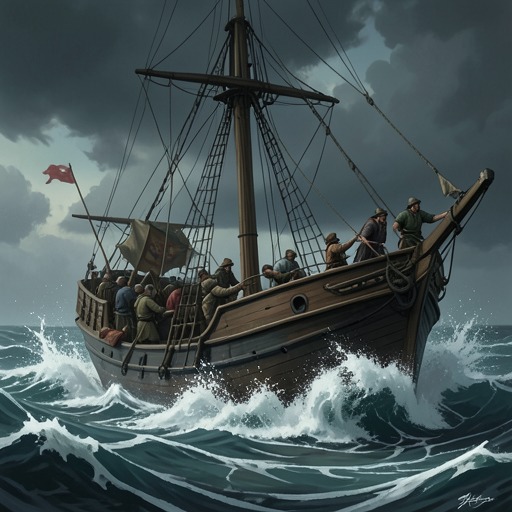
The phrase belongs to the Ancient Mariner’s account of the voyage, framed by his encounter with the Wedding-Guest. The tale’s wider sea journey moves from departure out of the harbor to a storm that drives the ship onward; later, a south wind springs up, and the helmsman steers while the ship moves even though no breeze blows. Against those changes of motion, the becalmed ship’s stillness and thirst mark a distinct crisis.
The expression therefore joins a concrete maritime predicament to the poem’s recurring attention to the conditions of life at sea. Its memorable contrast does not need to explain the crew’s plight: the surrounding water and the missing drink are enough. The line’s continuing recognition rests on that exact, compressed reversal.